Mom, I am not just your daughter.
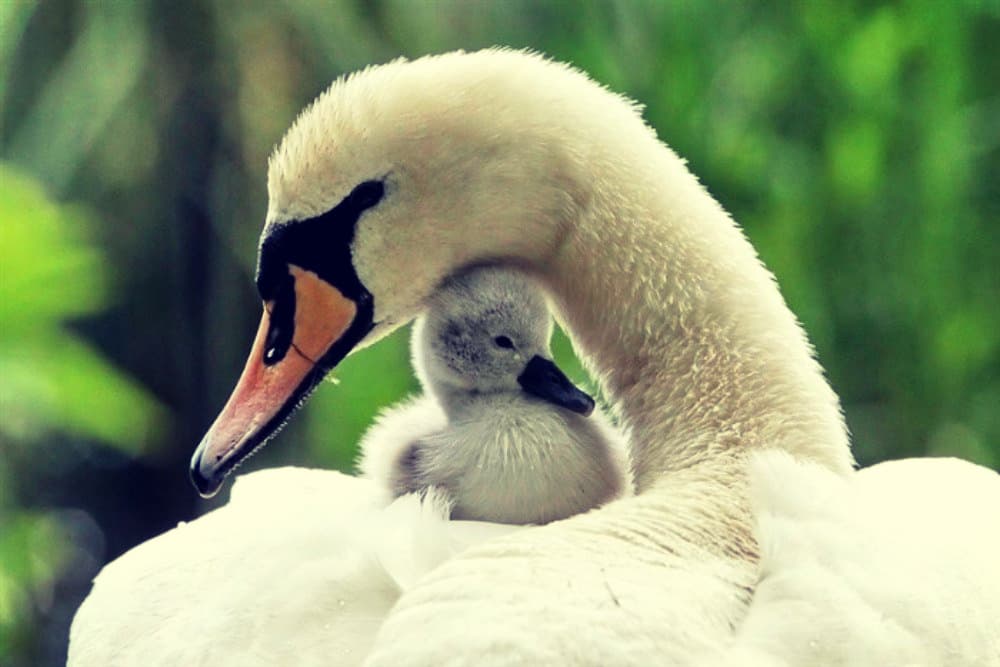
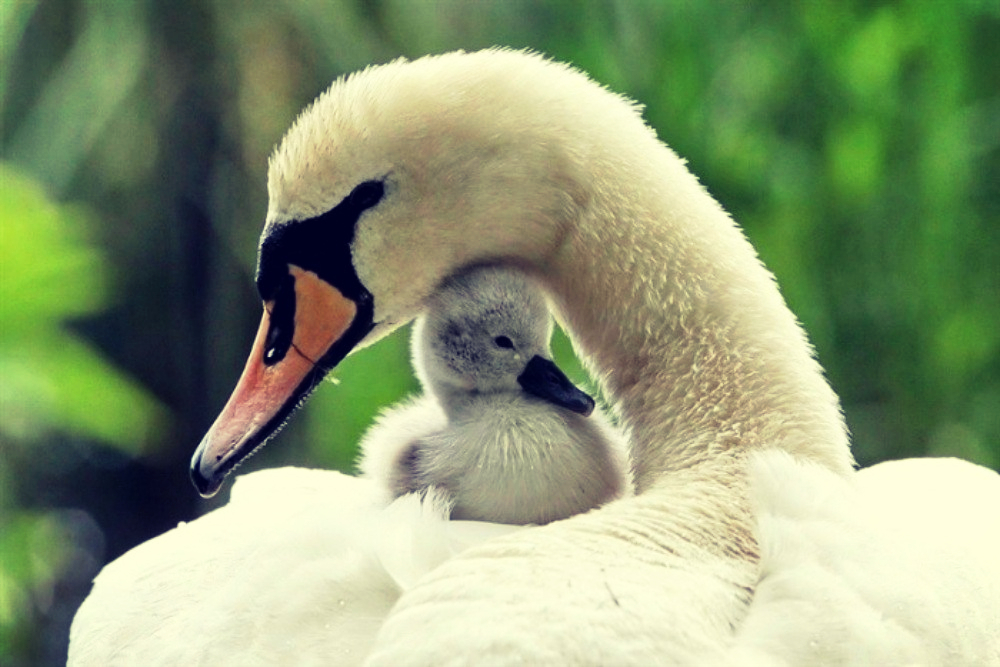
[caption id="attachment_99" align="aligncenter" width="1000"] Mother and baby swan[/caption]
Last summer, a friend told me that race affects all relationships. We were talking about our white mothers, our Ghanaian dads, and how we navigate love and expectation. It struck me that what I’ve always felt with my mother is true in a broader sense: love is not unconditional if it doesn’t account for the world you live in. She sees me as her daughter, and that bond carries weight. But I am also a black woman in a white world, and if she refuses to see me in that world, she will never fully understand my life, my struggles, or the ways the world shapes me.
My mother and I have always been close. I rely on her, and she relies on me. She has always been there for me. But there is a line we do not cross. We can talk about overt acts of racism, the kind everyone notices, but the broader structures and subtle biases that shape my life remain off-limits. Her love assumes that being her daughter is enough to protect me. It isn’t. Being her daughter does not shield me from the world or from the politics that assign value based on skin, hair, and ancestry.
This tension became clearer as I grew up. I learned early that the world judged blackness harshly, even though my proximity to whiteness carried relative privilege. I internalized certain ideas about blackness in ways my mother could perhaps not prevent. She did not teach it, but neither did she fully shield me from it. And when I started to unpack and confront these feelings for myself, to embrace my blackness and advocate against the systems that created and diminished it, our relationship was challenged. Her love felt conditional, not in the sense that she would abandon me, but in the sense that she could not fully accept the version of me shaped by the world beyond her, beyond us.
I have learned that love, no matter how deep, does not exist in a vacuum. Social structures, histories, and politics shape it, similarly to the way it shapes who we are, who we love, and who others see us as. My sense of self cannot be separated from that context, and neither can her understanding of me. Until she recognizes that, our relationship will always operate on partial truths. Conditionally.
Race does, indeed, affect all relations. My mother and I live in different countries. We avoid the topic of race for the sake of peace. Race remains part of my everyday life, both personally and professionally. My mom isn't part of that life. She believes that she is losing me to it. She believes that I have changed. She believes that my work and activism make me unhappy, because we can never have happy conversations about it. I have tried to get her to read things, to get her with the program. But she refuses. She simply wants her daughter back. She doesn't realize that it took me my childhood, most of my teenage years, and almost my life, for me to find myself. And I am right here.